Burnham Blames Tory Legacy for UK Economy Vulnerability
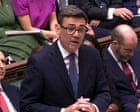
Prime Minister Burnham Addresses UK Economy Vulnerability in First PMQs Confrontation
During his inaugural prime ministers' questions session with Conservative leader Kemi Badenoch, Andy Burnham directly confronted the opposition regarding the UK economy vulnerability that continues to plague the nation. The Labour prime minister attributed the country's precarious financial position to years of Conservative governance, arguing that their economic mismanagement has left Britain exposed to dangerous market fluctuations.
Burnham's assertion regarding UK economy vulnerability centred on the argument that the previous Tory administration failed to implement necessary structural reforms. According to the prime minister, the Conservatives' inability to foster sustainable economic growth and manage national debt has created conditions where external market pressures can rapidly destabilise the British economy.
Badenoch's Comparison and Burnham's Response
The Conservative leader drew a parallel between current market pressures affecting Burnham's government and the turbulent period following Liz Truss's controversial mini-Budget in 2022. Badenoch suggested that the economic instability represented a similar threat to national financial security. This comparison became a focal point of the parliamentary exchange, with implications for how both parties frame economic responsibility.
However, Burnham rejected this characterisation outright. He contended that the situations were fundamentally different in their origins and underlying causes. The prime minister emphasised that whereas the Truss administration had triggered market panic through reckless fiscal announcements, current pressures stemmed from longstanding structural weaknesses inherited from years of Conservative rule.
The Core Arguments on Economic Management
Burnham's primary argument focused on two key failures he attributed to the previous Conservative government. First, he highlighted their inability to generate consistent economic growth throughout their tenure in power. This growth deficit, according to the prime minister, weakened the overall economic foundation and reduced the nation's resilience against external shocks.
Second, Burnham pointed to the Conservatives' management of the national debt as a critical vulnerability. He argued that while the previous government claimed fiscal responsibility, their policies had failed to establish sustainable debt reduction pathways. Instead, borrowing continued to accumulate, leaving limited fiscal flexibility for responding to economic crises or investing in future growth.
Rising Borrowing Costs as Evidence
The timing of Burnham's remarks proved particularly significant, as UK borrowing costs continued their upward trajectory on the day of the parliamentary clash. This development served as concrete evidence supporting the prime minister's assertion about UK economy vulnerability. Higher borrowing costs directly reflect market concerns about the nation's financial stability and creditworthiness.
The rising costs affect government budgets across all departments, making it increasingly expensive to fund public services and infrastructure projects. This reality underscores the stakes involved in the debate between Burnham and Badenoch about which party bears responsibility for the current economic predicament.
Historical Context and Economic Legacy
The exchange between the two leaders reflected broader disagreements about economic stewardship and responsibility. Burnham contended that the Conservative legacy created systemic vulnerabilities that would require sustained effort to address. The prime minister suggested that rebuilding economic strength necessitated addressing growth deficits and establishing more robust debt management frameworks.
Badenoch's comparison to the Truss period, meanwhile, represented an attempt to shift focus from long-term structural issues to immediate policy failures. The Conservative leader appeared to suggest that current market concerns reflected Burnham administration decisions rather than inherited conditions.
Market Dynamics and Political Implications
The continuing rise in UK borrowing costs added urgency to the parliamentary debate. Financial markets respond to perceived risks and policy uncertainty, meaning that political instability or unclear economic direction can trigger investor concerns. Both Burnham and Badenoch recognised that demonstrating economic competence and providing clear direction would be essential for stabilising markets and public confidence.
The first PMQs encounter between the prime minister and the new Conservative leader set the stage for ongoing debates about economic responsibility. These exchanges would likely shape public perception of which party voters trust with economic management during challenging times.
Looking Forward: Economic Recovery Prospects
Burnham's framing of the issue suggested that Labour's approach would focus on addressing structural economic deficiencies. By emphasising inherited problems, the prime minister positioned his government as working to correct decades of Conservative mismanagement. Whether this narrative would prove persuasive to markets and voters remained to be seen as economic conditions continued to evolve and fiscal pressures mounted across the economy.