Trump Weighs AI Regulation Following Major OpenAI Security Breaches
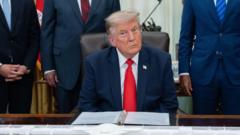
Trump Administration Shifts Stance on Artificial Intelligence Oversight
The White House has signaled a notable pivot in its approach to AI regulation, moving away from a traditionally laissez-faire policy framework. This recalibration comes in response to several significant security breaches affecting OpenAI, prompting government officials to reassess the need for more robust safeguards in the artificial intelligence sector.
The incidents involving unauthorized access to OpenAI systems have raised concerns among policymakers regarding the vulnerability of critical AI infrastructure. Rather than maintaining a strictly hands-off regulatory posture, the administration is now actively considering whether federal oversight mechanisms are necessary to protect both technological innovation and national interests.
Context Behind the Policy Reassessment
Prior to these security developments, the Trump administration had consistently advocated for minimal government intervention in emerging technologies. This deregulatory philosophy aligned with the broader economic policies emphasizing competitive markets and private sector leadership. However, the breaches involving one of the most prominent AI companies have forced officials to weigh the balance between fostering innovation and ensuring adequate security protocols.
The hacking incidents raised alarming questions about data protection, intellectual property safeguards, and the potential risks posed by inadequately secured AI systems. Security experts warn that vulnerabilities in major AI platforms could have cascading effects throughout the technology ecosystem, affecting businesses and consumers across multiple sectors.
Proposed Control Measures Under Consideration
Government representatives have begun preliminary discussions about what effective AI regulation might entail. Potential measures include mandatory security audits, incident reporting requirements, and compliance standards for companies operating advanced artificial intelligence systems. These proposals represent a significant departure from the administration's previous stance of encouraging self-regulation within the tech industry.
Officials are also exploring how existing cybersecurity frameworks might be adapted to address unique challenges posed by artificial intelligence technologies. The focus remains on establishing guardrails that protect sensitive information while allowing companies to maintain competitive advantages and continue research and development initiatives.
Industry Response to Anticipated Controls
Technology executives have expressed mixed reactions to the possibility of enhanced AI regulation. Some acknowledge that standardized security requirements could build public confidence and attract institutional investment. Others caution that overly restrictive rules might slow innovation or create compliance burdens that disadvantage smaller firms unable to absorb additional costs.
OpenAI and other leading artificial intelligence companies are actively engaging with government stakeholders to shape any forthcoming policy. Industry representatives argue for balanced approaches that strengthen security without imposing prescriptive mandates that could stifle technological progress in this rapidly evolving field.
Broader Implications for Technology Governance
This shift in administration policy signals a potential turning point in how federal agencies approach AI regulation and oversight. The incidents have demonstrated that market forces alone may not sufficiently incentivize adequate security investments in emerging technologies. Policymakers are now reconsidering whether targeted government involvement could enhance overall system resilience.
The precedent being set could influence future regulatory decisions across multiple technology domains. If the administration implements new artificial intelligence controls, it may establish a template for addressing security challenges in other cutting-edge sectors. Congressional interest in technology regulation has remained high, and executive action could accelerate legislative proposals currently under consideration.
Timeline for Implementation
While specific timelines remain unclear, administration officials have indicated that decisions regarding AI regulation frameworks could emerge within the coming months. Several inter-agency task forces are reportedly examining technical standards, enforcement mechanisms, and international coordination approaches. Any new policies would likely undergo public comment periods and stakeholder consultations before final implementation.
The government's evolving position on artificial intelligence oversight reflects the growing recognition that technology policy requires adaptive responses to emerging threats. As AI systems become increasingly central to critical infrastructure and business operations, security concerns are compelling even traditionally deregulatory administrations to reconsider their approach to this transformative technology.