Spanish PM Targets Traffickers as 60,000 Migrants Arrive in Ceuta
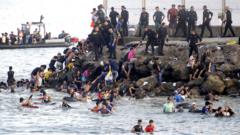
Migrant Crisis Escalates at Ceuta Border
Spain's government has pointed fingers at organized human trafficking networks following an unprecedented surge of migrants reaching Ceuta from Morocco. The Spanish Prime Minister attributed the mass arrival to the coordinated efforts of smuggling organizations, emphasizing that this situation represents a critical challenge for border security in Southern Europe. This migrant influx has triggered immediate diplomatic tensions across the region and prompted drastic measures from neighboring countries.
According to official reports, the overwhelming majority of the 60,000 individuals who crossed into the Spanish enclave had already returned to Moroccan territory by Friday evening. Spanish authorities worked to manage the situation systematically, facilitating the repatriation process for those who had entered during the surge. The rapid return of migrants suggests coordination between Spanish and Moroccan officials in addressing the emergency.
Italy's Response and Schengen Suspension
In response to the border crisis, Italy took decisive action by suspending its Schengen agreement obligations regarding free movement with Spain. This suspension represents a significant policy shift, as the Schengen Area traditionally allows unrestricted travel between member states. Italy's decision to implement border controls specifically with Madrid demonstrates growing concerns about uncontrolled migration flows into Southern European nations.
The suspension of the agreement creates temporary barriers to movement between the two Mediterranean countries, effectively reinstating border checkpoints. This move reflects Italy's frustration with what officials perceive as inadequate migration management at Spain's exterior borders. Such tensions highlight the broader European challenge of distributing responsibility for managing asylum seekers and irregular migrants.
Human Trafficking and Criminal Networks
Spanish officials have emphasized that the crisis stems primarily from sophisticated human trafficking operations rather than a spontaneous migration movement. These criminal networks, operating across North Africa and the Mediterranean region, have developed elaborate systems for moving vulnerable people northward toward European shores. The Prime Minister's statement underscores the government's position that addressing these traffickers is essential for controlling irregular migration.
The coordination required to move 60,000 individuals across the border within a compressed timeframe demonstrates the scale and organization of these smuggling operations. International law enforcement agencies have long documented the involvement of criminal syndicates in exploiting desperate migrants, offering false promises of employment and safety in Europe.
Border Security and Migration Control
Spain's response to the migrant surge involved deploying additional security personnel to the Ceuta enclave, a Spanish territory on the North African coast surrounded by Moroccan territory. The enclave's unique geographical position makes it particularly vulnerable to irregular migration attempts. Authorities implemented emergency protocols to process, document, and facilitate the return of migrants who had successfully crossed the border.
The Spanish government's ability to manage the return of most migrants within hours suggests pre-existing coordination mechanisms with Morocco. Such arrangements are crucial for responding to sudden population movements across the border. The efficient repatriation process indicates that Spanish-Moroccan cooperation, despite political tensions, continues to function in crisis situations.
Regional Impact and European Concerns
This incident has intensified discussions within the European Union regarding burden-sharing in migration management. Southern European nations, including Spain and Italy, argue they disproportionately bear the costs of irregular migration. The crisis at Ceuta exemplifies the ongoing tensions between peripheral EU states and the broader European framework for managing migration.
Italy's suspension of Schengen provisions signals that member states feel empowered to take unilateral action when they perceive migration threats. This fragmentation of the Schengen Area could establish precedents for other nations to implement similar measures. The incident raises questions about the sustainability of unrestricted free movement policies when migration crises occur.
Ongoing Challenges Ahead
Moving forward, Spain faces the challenge of strengthening its border security infrastructure while maintaining relationships with Morocco, which remains essential for controlling migration flows. The involvement of human trafficking networks suggests that addressing irregular migration requires coordinated international law enforcement efforts beyond traditional border controls. Spanish policymakers must balance security concerns with humanitarian considerations for vulnerable migrants.
The coordinated response by Spanish and Moroccan authorities, despite diplomatic tensions, demonstrates that practical cooperation remains possible during emergencies. However, the incident highlights the need for more comprehensive European strategies addressing the root causes of migration and disrupting trafficking networks operating across the Mediterranean region.


