Labour Secures Decisive Victory in Greater Manchester Mayor Race
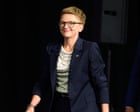
Labour Triumphs in Greater Manchester Mayoral Byelection
The Greater Manchester mayoral byelection has delivered a decisive victory for Labour, marking a significant political turnaround in the region. Bev Craig, the Manchester city council leader, has successfully claimed the mayoral seat previously held by Andy Burnham, reinforcing Labour's grip on one of Britain's most influential political offices outside the capital.
This triumph in the Greater Manchester mayoral byelection represents more than a routine administrative transition. It demonstrates Labour's ability to recapture political momentum in a region that recently experienced notable gains by competing parties. The election results signal voter confidence in Labour's vision for the metropolitan county, despite previous electoral challenges that saw alternative parties make inroads during recent national contests.
Recovery of Lost Ground in Regional Politics
The byelection outcome proves particularly significant given the political landscape that emerged during May's electoral cycle. Reform UK had successfully penetrated Greater Manchester's electoral map, securing support in areas traditionally considered Labour strongholds. Similarly, the Green Party had made notable gains across various constituencies in the region. However, the comprehensive nature of Craig's victory indicates that Labour has successfully reversed these setbacks and restored its dominance in local governance.
Bev Craig's ascent to the mayoral position carries substantial implications for Manchester's administrative future. As Manchester city council leader, Craig has already demonstrated competence in managing urban governance complexities. Her election as mayor elevates her influence considerably, placing her at the helm of one of the most powerful political positions located beyond Westminster's sphere of direct control.
The Significance of the Mayoral Office
The role of Greater Manchester mayor extends far beyond ceremonial duties. The position encompasses considerable authority over regional development, transport infrastructure, economic growth strategies, and relationships with national government agencies. Andy Burnham's tenure established the office as a genuinely influential platform for shaping metropolitan policy and championing regional interests at the national level.
Craig's succession to this position comes at a critical juncture for Greater Manchester's political development. The region continues to navigate complex economic challenges, infrastructure modernization requirements, and the need to strengthen its competitive position within the broader English economic landscape. The mayoral office serves as the primary vehicle through which these broader strategic objectives can be pursued and articulated.
Electoral Dynamics and Voter Sentiment
The decisive nature of the Greater Manchester mayoral byelection result reflects broader patterns of voter sentiment within the metropolitan county. While national political trends during May's elections favored anti-establishment parties, the mayoral contest presented voters with a different calculus. The byelection environment allowed voters to evaluate specific local candidates and record their preferences in a direct contest that directly impacts governance in their immediate region.
Labour's performance in this contest demonstrates that previous electoral setbacks need not establish permanent political patterns. The party has mobilized its organizational resources effectively and connected with voters on issues of immediate local relevance. The comprehensive victory suggests that Labour's messaging regarding regional governance resonated strongly with the electorate, sufficient to overcome the anti-Labour sentiment that had influenced voting behavior in the May elections.
Implications for Political Strategy
For Labour nationally, the Greater Manchester mayoral byelection victory carries symbolic importance beyond the immediate regional context. The party has demonstrated capacity to recover ground in areas where it experienced recent disappointment. This outcome may serve to revitalize party momentum and provide an alternative narrative to assessments of Labour's electoral vulnerability in certain demographic and geographical segments.
The election of Bev Craig also represents a continuation of political leadership quality within Greater Manchester's governance structures. Craig brings extensive local government experience and established credibility within Manchester's political ecosystem. Her direct connections to the city council provide continuity in leadership while offering the potential for fresh approaches to longstanding regional challenges.
Looking Forward for Greater Manchester
As Bev Craig assumes her new role as mayor of Greater Manchester, the region's citizens will look to her administration to address pressing priorities. The expanded powers that accompany the mayoral position provide significant opportunities to advance strategic initiatives spanning transportation, housing development, skills training, and economic investment. The clear electoral mandate Craig has received in the Greater Manchester mayoral byelection provides political capital to pursue ambitious reform agendas.
The decisive nature of this electoral outcome suggests that local voters maintain confidence in Labour's capacity to govern effectively in Greater Manchester. Craig's task will involve translating that electoral support into tangible improvements in regional quality of life and economic opportunity. The Greater Manchester mayoral byelection has established the platform; the challenge now rests in demonstrating that the confidence voters have expressed translates into superior governance outcomes.