India Aims to Become a Strawberry Superpower Through Innovation
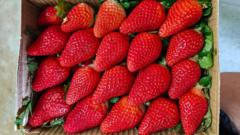
India's Strategic Vision for Strawberry Production
India is positioning itself to become a strawberry superpower on the global stage, marking a significant shift in the country's agricultural strategy. Currently, Indian strawberry farmers depend heavily on imported varieties originating from the United States and Europe, but this dependency is set to transform as the nation invests in developing its own high-quality strawberry cultivars.
Current Challenges in the Strawberry Industry
The reliance on foreign strawberry varieties presents multiple challenges for India's agricultural sector. Farmers must navigate complex import procedures, manage currency fluctuations, and deal with seed availability constraints that affect production timelines and crop yields. Additionally, imported varieties often require specific climatic conditions and cultivation techniques that may not be optimally suited to India's diverse geographical and environmental conditions.
Many Indian farmers have historically lacked access to locally developed strawberry varieties that could thrive in regional climates while maintaining commercial viability. This gap in domestic agricultural research has created a significant bottleneck in the sector's growth potential and farmer profitability.
Government Initiatives and Research Programs
Recognizing the opportunity to establish itself as a strawberry superpower, the Indian government and various agricultural research institutions have launched comprehensive programs to develop indigenous strawberry varieties. These initiatives focus on creating cultivars that combine high yield potential, superior flavor profiles, disease resistance, and adaptability to India's diverse climatic zones.
Research centers across the country are conducting extensive trials and breeding programs to identify strawberry varieties that can match international quality standards while reducing production costs. These efforts represent a transformative moment for Indian agriculture, signaling a commitment to self-sufficiency and technological advancement in the horticultural sector.
Regional Cultivation Opportunities
Different regions of India present unique opportunities for strawberry cultivation. The cooler climates of Himalayan regions have shown considerable promise, while innovative farming techniques are being developed to enable strawberry production in other areas. As India develops indigenous varieties better suited to local conditions, the potential for expanding cultivation across new regions increases substantially.
The diversification of strawberry cultivation across multiple states could create employment opportunities for farmers, agricultural workers, and support industries, while simultaneously strengthening India's position in global strawberry markets.
Economic and Export Potential
Successfully becoming a strawberry superpower would position India as a significant player in the global strawberry market. The export potential is substantial, with growing international demand for fresh strawberries and strawberry-derived products. Developing domestic varieties would reduce production costs and increase profit margins for farmers, making Indian strawberries more competitive internationally.
The success of this initiative could generate substantial foreign exchange earnings while creating a sustainable agricultural model that benefits farmers across the country.
Future Prospects and Conclusions
India's journey toward becoming a strawberry superpower represents a broader commitment to agricultural innovation and self-reliance. By moving beyond dependency on imported varieties and investing in domestic research and development, India is laying the groundwork for a thriving strawberry industry. The transition to indigenous strawberry cultivation will require continued investment, farmer education, and market development, but the potential rewards—both economically and agriculturally—make this strategic initiative a promising venture for the nation's agricultural future.