Healey's Budget 2026: £100 Winter Aid Funded by Bank and Landlord Tax Rises
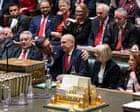
Budget 2026: Healey Announces Major Tax Reforms and Household Support Measures
Chancellor John Healey unveiled the government's 2026 Budget strategy, introducing significant tax increases on banks and landlords while simultaneously rolling out a £100 winter assistance program targeting 20 million households across the United Kingdom. This budget represents a comprehensive approach to addressing the persistent cost of living pressures affecting millions of families nationwide.
Tax Increases on Financial and Property Sectors
The Budget 2026 incorporates substantial tax hikes affecting two major economic sectors. Banks face increased taxation measures, while landlords will see higher levies on their property holdings. These fiscal adjustments form the financial foundation enabling the government to fund its household support initiative without expanding overall public debt. The chancellor justified these sector-specific increases as necessary measures to redistribute resources toward struggling households.
Implementation and Revenue Generation
Officials project that the combined tax increases on banks and landlords will generate sufficient revenue to sustain the £100 winter payment distribution. The government has carefully calculated these taxation levels to balance economic competitiveness with fiscal necessity. Banking institutions and property investors will bear the primary burden of financing this redistribution strategy.
The £100 Winter Handout Program
Twenty million families will receive direct financial support through the newly announced winter handout scheme. This substantial payment represents a direct intervention designed to alleviate immediate financial pressures during the winter months when heating costs and living expenses typically increase. The distribution covers approximately one-third of British households, reflecting the scale of economic difficulty facing ordinary families.
Eligibility and Distribution Framework
The government has structured the payment program to reach households most vulnerable to energy price fluctuations and general cost inflation. Families will receive the £100 payment automatically, minimizing bureaucratic obstacles and ensuring rapid financial relief. This approach prioritizes accessibility and swift delivery of assistance.
The Ongoing Cost of Living Crisis Context
Official economic forecasts presented alongside the Budget 2026 indicate that cost of living pressures will persist well into the future. The chancellor acknowledged that immediate relief measures, while necessary, represent short-term solutions to structural economic challenges. These forecasts underscore the government's recognition that families continue facing sustained financial difficulties.
Global Economic Factors
Healey attributed current economic pressures to what he termed "global economic storms," specifically referencing international conflicts affecting energy markets. The ongoing tensions in Iran have driven oil and gas prices upward, contributing substantially to elevated energy costs throughout the United Kingdom. These international factors remain beyond direct government control, though their domestic impact requires policy responses.
Fiscal Strategy and Economic Commentary
The Budget 2026 reflects a deliberately restrained approach, with the chancellor delivering remarks in measured tones rather than making bold rhetorical announcements. Officials described the budget as containing "few surprises," suggesting a pragmatic focus on addressing immediate challenges rather than pursuing expansive new initiatives. This low-key presentation strategy emphasizes practical solutions over ambitious projections.
Government Priority Assessment
By directing substantial resources toward household relief while simultaneously increasing taxation on profitable sectors, the government demonstrates prioritization of immediate consumer support. The Budget 2026 tax increases effectively transfer financial obligations from struggling families to established financial institutions and property owners.
Looking Forward: Budget 2026 Implications
The announced tax increases and household payments establish fiscal precedents that may influence future budget negotiations. The government's willingness to tax banks and landlords substantially reflects political assessment of where public support exists for revenue generation. These measures will shape expectations regarding subsequent fiscal policy decisions.
The Budget 2026 ultimately represents an acknowledgment that cost of living pressures demand active government intervention through direct household assistance. While officials offer no optimistic forecasts regarding imminent improvement, the winter handout program provides tangible relief for 20 million families facing genuine economic hardship during vulnerable months ahead.



