Hamas Disarmament Strategy Presents Complex Path Forward Despite Major Challenges
Hamas Disarmament Plan: Understanding the Complex Landscape
The Hamas disarmament plan represents one of the most ambitious peace initiatives proposed for the Gaza region, yet the Hamas disarmament plan faces unprecedented obstacles rooted in decades of conflict and fundamental mistrust. Political analysts and international observers acknowledge that while this framework offers genuine possibilities for regional stabilization, the path toward implementation remains fraught with complications that extend far beyond simple diplomatic negotiations.
Political and Military Realities
The contemporary political environment surrounding Gaza creates an extraordinarily challenging context for any disarmament agreement. Decision-makers across multiple nations must navigate intricate diplomatic waters where competing interests, historical grievances, and security concerns intersect. Military considerations further complicate negotiations, as regional security establishments hold divergent views on what constitutes acceptable terms for weapons reduction and organizational restructuring. These political dynamics have historically derailed similar initiatives, creating skepticism among seasoned observers about the viability of current proposals.
The Trust Deficit: A Fundamental Obstacle
Perhaps the most significant barrier to successful implementation involves the profound absence of trust among all parties involved. Zero trust environments have become characteristic of Middle Eastern peace negotiations, particularly those involving militant organizations with deep historical roots in their respective territories. This fundamental credibility gap means that verification mechanisms, international oversight, and enforcement protocols become essential components of any potential agreement. Without concrete assurance systems, stakeholders remain unwilling to commit to comprehensive agreements that require mutual cooperation and transparency.
Humanitarian and Infrastructure Considerations
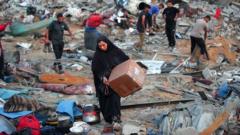
The extensive destruction throughout Gaza creates additional complications for disarmament efforts. The physical devastation of civilian infrastructure, combined with humanitarian crises affecting millions of residents, means that any disarmament framework must simultaneously address reconstruction, humanitarian relief, and political transformation. International organizations face pressure to coordinate relief efforts while maintaining focus on security objectives, creating resource allocation challenges that impact negotiation timelines and implementation capacity.
Why This Plan Offers Unprecedented Opportunity
Despite these formidable obstacles, regional analysts and international diplomacy experts recognize that the current Hamas disarmament plan represents a rare convergence of factors that could facilitate genuine progress. The combination of international attention, humanitarian imperative, and evolving geopolitical considerations has created a window of opportunity that rarely emerges in Middle Eastern conflict contexts. Previous initiatives lacked similar international coordination and commitment levels, potentially distinguishing this framework from historical failed attempts.
International Community Involvement
The active participation of multiple international actors provides both advantages and complications. Nations with varying strategic interests bring resources, legitimacy, and enforcement capabilities that could strengthen agreement implementation. However, differing national priorities also introduce potential disagreements about terms, timelines, and verification procedures. The international dimension requires careful diplomatic choreography to maintain consensus while respecting local perspectives and indigenous peace-building efforts.
Long-Term Stability Considerations
Analysts emphasize that any successful Hamas disarmament framework must address underlying conditions that historically motivated militant organization formation and recruitment. Economic opportunities, political representation, educational access, and social development in Gaza will determine whether disarmament produces lasting peace or merely creates temporary reduction in active hostilities. Sustainable solutions require comprehensive approaches that extend well beyond weapons collection programs to encompass broader societal transformation.
Challenges in Implementation and Verification
Technical aspects of disarmament present their own substantial challenges. Identifying concealed weapons caches, verifying compliance, establishing monitoring systems, and maintaining security during transition periods require unprecedented levels of international cooperation and resources. The destroyed landscape of Gaza complicates verification efforts, as underground infrastructure, hidden weapons depots, and dispersed organizational networks complicate comprehensive assessment. Implementation teams must operate in environments where security risks remain elevated and operational conditions remain unstable throughout initial phases.
Moving Forward: The Path to Resolution
Despite the considerable obstacles surrounding the Hamas disarmament plan, diplomatic frameworks continue evolving to address identified complications. Negotiators work to develop verification protocols that inspire confidence, establish timelines that permit necessary institutional changes, and create incentive structures that encourage participation. The recognition that obstacles exist represents progress itself, as candid acknowledgment of complications permits more realistic planning and adaptive management strategies. The international community continues investing diplomatic and financial resources into initiatives that, while complex and uncertain, represent the most substantive peace efforts Gaza has witnessed in recent years.


