Hamas Disarmament Strategy Encounters Significant Hurdles Amid Gaza Conflict
Hamas Disarmament Presents Complex Challenges for Gaza Stability
The prospect of achieving Hamas disarmament remains one of the most formidable challenges in contemporary Middle East diplomacy. While Hamas disarmament initiatives have emerged as a potential breakthrough mechanism for addressing the humanitarian crisis in Gaza, numerous political and military obstacles continue to obstruct meaningful progress. The framework for Hamas disarmament requires unprecedented cooperation across historically divided stakeholders and demands resolution of fundamental security concerns that have plagued the region for decades.
Political Complexities Surrounding Gaza's Future
The political landscape governing any potential agreement involving Hamas disarmament operates within an extraordinarily intricate framework. Multiple governmental actors, international mediators, and non-state organizations maintain competing interests that often appear irreconcilable. The divergent objectives of regional powers, combined with domestic political pressures within Israel and Palestinian territories, create substantial impediments to consensus-building. Political leaders face domestic constituencies with deeply entrenched positions, making compromise particularly challenging in an environment where perceptions of strength frequently influence electoral outcomes and popular support.
Military Realities and Security Verification
The military dimension of Hamas disarmament presents equally daunting technical and strategic challenges. Verifying the complete cessation of weapons acquisition and dismantling of existing arsenals requires robust monitoring mechanisms and unprecedented transparency from armed organizations traditionally operating through clandestine networks. The geographic complexity of Gaza, combined with sophisticated tunnel networks and concealed weapons caches, complicates verification efforts substantially. International observers would require cooperation from multiple parties and access to locations typically restricted, necessitating security arrangements that themselves become subjects of intense negotiation.
Trust Deficits and Historical Grievances
An atmosphere of profound mistrust fundamentally undermines negotiation efforts toward Hamas disarmament. Decades of conflict, broken agreements, and cyclical violence have created deep psychological divisions among populations and institutional structures. Historical precedents of failed ceasefires, incomplete implementations, and accusations of bad faith persist in collective memory. Both Israeli and Palestinian communities harbor legitimate security concerns based on documented attacks, military operations, and civilian casualties accumulated throughout the protracted conflict. This legacy of trauma and betrayal creates psychological obstacles that transcend purely diplomatic resolution.
Humanitarian Dimensions of the Gaza Crisis
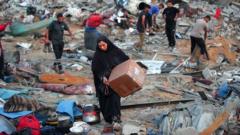
The destruction wrought throughout Gaza introduces humanitarian considerations that complicate disarmament negotiations. Thousands of casualties, widespread infrastructure devastation, and population displacement create urgent pressures for immediate relief alongside long-term political solutions. International humanitarian organizations emphasize that sustainable peace requires addressing underlying grievances including territorial disputes, refugee rights, and economic reconstruction. Communities experiencing acute suffering demonstrate reduced patience for protracted negotiations, yet sustainable agreements require sufficient time for careful drafting and confidence-building measures.
Potential Pathways Forward Despite Obstacles
Despite formidable challenges, the Hamas disarmament framework offers modest optimism for regional transformation. International mediation efforts, supported by neighboring countries and global powers, have demonstrated renewed commitment to peace processes. Phased implementation approaches, gradual confidence-building measures, and monitored compliance mechanisms provide structured pathways that acknowledge mutual concerns. The introduction of international guarantees, security arrangements, and economic incentives creates leverage for encouraging participation from historically reluctant actors.
International Support and Monitoring Mechanisms
Successful Hamas disarmament initiatives would likely require robust international involvement in verification and enforcement processes. Multilateral frameworks drawing from United Nations capacity, regional organizations, and established peacekeeping experience could provide credible neutral oversight. International guarantees addressing security concerns of all parties reduce individual vulnerability and encourage compliance with agreed terms. Economic reconstruction packages, coordinated through international donors, create tangible benefits that accompany political commitments.
Conclusion: Navigating Unprecedented Complexity
The Hamas disarmament question encapsulates broader challenges facing Middle East peace efforts. While substantial obstacles persist—including political fragmentation, security verification difficulties, pervasive mistrust, and humanitarian urgency—the recognition that current trajectories prove unsustainable creates space for diplomatic innovation. Successful outcomes demand that all stakeholders acknowledge legitimate security concerns while demonstrating willingness to transcend historical grievances through structured, monitored processes. Though the path remains extraordinarily difficult, the potential for transformative regional stability justifies sustained diplomatic engagement toward Hamas disarmament and comprehensive peace arrangements.


