Hamas Disarmament Strategy Encounters Significant Challenges Amid Gaza Conflict
Complex Path to Hamas Disarmament in Gaza
Hamas disarmament in Gaza represents one of the most intricate challenges facing international peace efforts, combining decades of political tensions with the devastating aftermath of recent military operations. The prospect of achieving comprehensive disarmament, while theoretically promising, encounters formidable obstacles rooted in the region's complex geopolitical landscape.
The current situation reflects deeper complexities that extend far beyond simple weapon removal. Hamas disarmament discussions must account for the political structures, territorial control, and ideological commitments that have defined the organization for decades. These factors interact with international diplomacy, regional interests, and the fundamental question of Gaza's future governance.
Obstacles to Successful Disarmament Frameworks
Multiple layers of complication surround any potential disarmament initiative. The loss of thousands of lives throughout the conflict has created deep psychological and social fractures within Gaza's population. Survivors and displaced families view security arrangements through the lens of recent trauma, making trust-based agreements exceptionally difficult to negotiate.
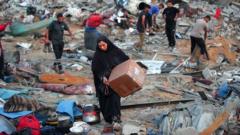
The physical destruction across Gaza compounds these challenges significantly. Infrastructure damage has disrupted basic services, displaced hundreds of thousands, and created an environment where security guarantees seem insufficient to populations facing humanitarian crises. Reconstruction priorities often overshadow disarmament discussions in public discourse.
Trust Deficits in Peace Negotiations
Zero trust characterizes current relations between all stakeholders involved in Gaza's future. Previous agreements have shaped contemporary skepticism about the reliability of commitments made by any party. This mutual suspicion creates verification problems, as independent confirmation of disarmament becomes virtually impossible without cooperative frameworks that currently do not exist.
Political considerations further complicate Hamas disarmament efforts. Internal Palestinian divisions, Israeli security concerns, and regional dynamics involving neighboring countries create overlapping interests that frequently conflict. International mediators must navigate these competing priorities while maintaining credibility with all sides.
Glimmers of Possibility Amid Challenges
Despite these formidable obstacles, renewed Hamas disarmament discussions offer unprecedented opportunities for transformation. The humanitarian catastrophe has created conditions where both international pressure and internal stakeholder recognition of necessity align toward change.
Disarmament frameworks could potentially form the foundation for comprehensive reconstruction. International investment in Gaza's rebuilding could incentivize commitment to lasting peace arrangements. Economic development opportunities, if credibly presented, might provide alternatives to military structures that have historically defined Palestinian resistance movements.
Political Reality and Implementation
The political dimension of Hamas disarmament cannot be separated from questions of Palestinian governance and international recognition. Any successful disarmament agreement requires parallel arrangements addressing Palestinian political status, international legitimacy, and security guarantees that address historical grievances.
Practical implementation demands sustained international involvement, transparent verification mechanisms, and verified timelines. Previous attempts at disarmament have failed partly because implementation structures lacked adequate resources, clarity, or enforcement capacity.
Regional and International Dimensions
Hamas disarmament discussions operate within broader regional security considerations. Neighboring countries maintain interests in Gaza's political trajectory and security arrangements. International stakeholders, including permanent UN Security Council members and regional powers, influence negotiation dynamics through diplomatic pressure and security commitments.
The precedent created by successful Hamas disarmament could impact broader Middle East security arrangements. Other armed organizations, regional conflicts, and diplomatic initiatives might reference outcomes from Gaza negotiations.
Path Forward
Moving toward Hamas disarmament requires acknowledging both the profound difficulties and the genuine opportunities present. Current conditions, while difficult, have created openings previously unavailable. The challenge lies in building sufficient trust, establishing credible frameworks, and securing commitment from all stakeholders to prioritize reconstruction and stability over continued conflict.
Success depends on integrating disarmament with political settlement, reconstruction investment, and security arrangements that address Israeli concerns while recognizing Palestinian aspirations. Only through comprehensive approaches addressing the interconnected political, security, and humanitarian dimensions can genuine progress toward lasting peace in Gaza materialize.


