Hamas Disarmament Plan Offers Gaza Hope Despite Major Political Hurdles
Hamas Disarmament Plan: A Complex Path Forward for Gaza
A Hamas disarmament plan has emerged as a potential framework for addressing the escalating humanitarian crisis in Gaza, though experts acknowledge the proposal faces formidable implementation challenges. The initiative represents one of the few concrete pathways toward stability in a region fractured by decades of conflict, geopolitical tensions, and mutual mistrust between key stakeholders.
Understanding the Political Reality
The landscape surrounding any Hamas disarmament plan is considerably more nuanced than initial proposals suggest. Political dimensions in the region involve multiple layers of interest, from international diplomatic pressure to localized power structures that have evolved during years of conflict. The consensus required to move forward necessitates agreement from Palestinian leadership, Israeli authorities, international mediators, and regional powers—a coalition that has historically struggled to find common ground.
Policymakers and observers recognize that political will remains fragile. Each stakeholder maintains distinct priorities, ranging from security concerns to sovereignty questions and historical grievances. The complexity of reconciling these competing interests cannot be understated, particularly given the deep-seated divisions that have characterized the region for generations.
War's Devastating Legacy and Its Impact
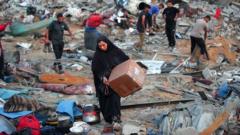
The ongoing conflict has created unprecedented destruction across Gaza, with infrastructure decimated and civilian populations displaced on a massive scale. This devastation complicates any Hamas disarmament plan by introducing practical obstacles to implementation. Rebuilding efforts must occur simultaneously with negotiation processes, creating resource allocation challenges that strain already fragile international aid mechanisms.
The loss of civilian lives throughout the conflict has deepened emotional wounds and complicated diplomatic pathways. Families grieving lost loved ones, communities rebuilding from rubble, and populations experiencing ongoing trauma all influence the political calculus surrounding disarmament discussions. These human dimensions cannot be negotiated away through diplomatic channels alone.
The Trust Deficit: A Fundamental Challenge
Zero trust represents perhaps the most significant obstacle to implementing any Hamas disarmament plan. Historical agreements have broken down repeatedly, creating precedent for skepticism on all sides. Each party questions whether counterparts will honor commitments, leading to demands for verification mechanisms that themselves become subjects of contention.
Building confidence measures that satisfy all parties requires creative diplomacy and often depends on third-party verification. International organizations and neutral mediators must navigate accusations and counteraccusations while maintaining credibility with multiple sides simultaneously. This triangular relationship between trust, verification, and enforcement creates structural difficulties that academic experts and policy analysts continue debating.
Humanitarian Dimensions of the Conflict
Thousands have perished in the ongoing violence, with casualty figures continuing to rise as the conflict persists. The humanitarian toll extends beyond immediate deaths to encompass malnutrition, disease outbreaks, medical supply shortages, and psychological trauma affecting entire populations. Any meaningful Hamas disarmament plan must address these interconnected humanitarian crises as prerequisites to lasting stability.
Relief organizations emphasize that disarmament alone cannot resolve the humanitarian emergency; simultaneous reconstruction efforts, medical provision, and economic rehabilitation must proceed in parallel. The international community faces pressure to mobilize resources for both immediate assistance and long-term development initiatives that address root causes of conflict.
Infrastructure Destruction and Reconstruction Challenges
Gaza's physical infrastructure has suffered catastrophic damage, with residential buildings, hospitals, schools, and essential services rendered inoperable. Implementing a Hamas disarmament plan in this context requires coordinating reconstruction efforts while simultaneously addressing security concerns and political negotiations. This multifaceted approach demands resources, technical expertise, and international cooperation on unprecedented scales.
Reconstruction timelines remain uncertain, contingent upon security guarantees and political agreement. Populations experiencing displacement and lacking access to basic services understandably express skepticism regarding diplomatic processes that appear disconnected from their immediate survival needs.
A Rare Glimmer of Optimism
Despite formidable obstacles, the Hamas disarmament plan represents meaningful progress by providing a concrete framework for discussions that previously lacked structure. Experts identify components within the proposal that, if implemented carefully, could establish foundations for durable peace arrangements. The plan's existence demonstrates that even amid profound disagreement, stakeholders continue engaging in substantive negotiations.
International observers and conflict resolution specialists recognize that breakthrough moments often emerge after periods of apparent stalemate. While current obstacles appear substantial, they reflect complexities inherent to post-conflict reconciliation rather than fundamental impossibilities. The path forward demands sustained diplomatic engagement, resource commitment, and willingness from all parties to prioritize collective security over zero-sum competition.
Conclusion: Navigating Complexity Toward Resolution
The proposed Hamas disarmament plan encapsulates both the possibilities and difficulties characterizing contemporary peace negotiations in the Middle East. Success requires addressing political complications, military realities, historical grievances, and humanitarian crises simultaneously—a challenge that demands sophisticated diplomacy and unwavering international support for implementation mechanisms.


