Funeral Director Sentenced to 20 Years for Failing to Bury Bodies
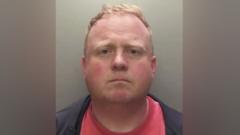
Funeral Director Faces 20-Year Prison Sentence for Burial Negligence
A prominent funeral director has been handed a substantial 20-year prison sentence following his conviction in a case involving systematic failures to properly handle deceased individuals. The funeral director sentenced to prison was found guilty of multiple violations related to the handling of human remains, representing one of the most serious cases of funeral service misconduct in recent years.
Failure to Properly Bury and Cremate Remains
Robert Bush, the operator of a funeral establishment, deliberately failed to provide the burial and cremation services that families had paid for and entrusted him to perform. Authorities discovered that Bush had consistently neglected his fundamental obligations as a licensed funeral professional, leaving families without the closure and dignity they deserved during their time of grief.
The extent of the misconduct became apparent when investigators found that remains had not been properly processed according to the arrangements families had made. Instead of fulfilling the cremation requests and burial ceremonies that grieving relatives had specifically requested and financially compensated, Bush repeatedly failed to execute these essential services. This pattern of negligence demonstrated a complete disregard for both legal requirements and the emotional needs of bereaved families.
Deceiving Grieving Relatives with Stranger's Ashes
Among the most egregious aspects of this funeral fraud case was Bush's practice of providing families with ashes that did not belong to their deceased loved ones. Bereaved relatives, already vulnerable during their period of mourning, were handed cremated remains that originated from entirely different individuals. This deceptive practice added profound emotional trauma to families already suffering from loss.
The act of giving families ashes belonging to strangers represents a fundamental breach of trust and professional ethics. Families relied on Bush's expertise and integrity to handle their most precious and final responsibility to their loved ones. Instead, they received remains of unidentified individuals, discovering only later that they had been systematically deceived.
Investigation and Legal Consequences
The investigation into Bush's funeral home revealed a systematic pattern of negligence and intentional misconduct spanning multiple cases. Authorities determined that this was not merely administrative oversight or occasional mistakes, but rather a deliberate scheme to collect payment for services never rendered while treating human remains with callous indifference.
The 20-year sentence reflects the severity of the crimes and the profound breach of public trust. Cremation fraud of this magnitude carries serious legal consequences, as it intersects issues of both fraud and the improper handling of human remains. Prosecutors presented compelling evidence demonstrating that Bush knowingly misled families about the status of their loved ones' remains.
Impact on the Funeral Services Industry
This case has raised significant concerns about regulatory oversight within the funeral services industry. The discovery that such extensive misconduct could occur highlights the need for stronger verification procedures and more frequent audits of funeral establishments. Industry regulators have faced criticism for not catching these violations sooner, prompting calls for enhanced accountability measures.
Families who used Bush's funeral services are now exploring their legal options for compensation and closure. The emotional and financial impact of discovering that they received incorrect remains has devastated numerous grieving families who entrusted their most sensitive needs to a professional they believed was licensed, bonded, and trustworthy.
Lessons for Consumers and Regulatory Reform
The bereaved families deceived by this operator serve as a stark reminder of the importance of choosing funeral providers carefully and monitoring the processes involved in final arrangements. Experts recommend that families request documentation and verification throughout the cremation or burial process to ensure their loved ones are handled appropriately.
Regulatory agencies are now implementing stricter oversight requirements for funeral establishments, including more rigorous inspection schedules, documented chain-of-custody procedures for human remains, and enhanced staff training regarding ethical obligations. These reforms aim to prevent similar violations and restore public confidence in the funeral services profession.
Closure and Moving Forward
While the prison sentence provides some measure of justice, it cannot undo the emotional harm inflicted on families who placed their trust in Bush's funeral service. The case serves as a sobering example of how failed burials and improper cremation handling can have lasting psychological impacts on grieving individuals already dealing with profound loss and vulnerability.


