Funeral Director Sentenced to 20 Years for Failing to Bury Bodies
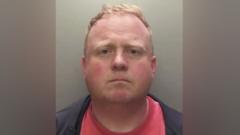
Funeral Director Convicted for Massive Breach of Trust
A funeral director has been sentenced to 20 years in prison following a comprehensive investigation into serious criminal negligence at his funeral home. The funeral director jailed case has shocked the death care industry, revealing systematic failures in body handling procedures and cremation protocols that affected grieving families during their most vulnerable moments.
Robert Bush, the operator of the funeral establishment, deliberately failed to properly bury deceased individuals entrusted to his care while simultaneously engaging in fraudulent cremation practices that constituted one of the most egregious violations of family trust in recent funeral industry history.
The Extent of the Deception
The criminal conduct extended far beyond simple negligence. Investigations uncovered that Bush not only failed to cremate people according to their families' wishes but also distributed cremated remains belonging to entirely different individuals to unsuspecting relatives. This practice left bereaved family members with the ashes of complete strangers, creating profound emotional trauma and violation of their deceased loved ones' dignity.
Impact on Grieving Families
Families who had paid significant sums for burial and cremation services discovered that their loved ones had not received the respectful treatment promised. The practice of giving bereaved relatives the ashes of strangers represents a fundamental betrayal of the sacred trust placed in funeral professionals. Many families reported feeling violated and deceived during periods when they were emotionally devastated by loss.
Legal Consequences and Sentencing
The 20-year prison sentence reflects the severity of Bush's criminal conduct and the widespread harm caused to vulnerable individuals. Legal experts noted that the sentencing sends a clear message about accountability within the funeral services industry. The case has prompted regulatory bodies to examine oversight mechanisms and licensing requirements for funeral directors nationwide.
Implications for the Funeral Industry
This scandal has raised serious questions about industry standards and consumer protections. Families entrusting their loved ones to funeral homes have legitimate expectations that established regulations will be followed. The case demonstrates the critical need for transparent practices, regular inspections, and stricter accountability measures. Industry associations have announced initiatives to implement enhanced training and verification procedures to prevent similar incidents.
Lessons for Consumers
The incident underscores the importance of consumers thoroughly researching funeral homes before making arrangements, requesting detailed documentation of services, and following up on promised procedures. Families are now encouraged to ask specific questions about cremation processes and documentation methods to ensure proper handling of their loved ones' remains.


