Funeral Director Sentenced to 20 Years for Body Disposal Scandal
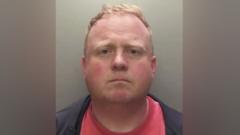
Funeral Director Faces Two Decades Behind Bars for Body Handling Crimes
A prominent funeral director has been convicted and sentenced to an extended prison term following a comprehensive investigation into serious misconduct involving human remains. The funeral director sentenced to 20 years in prison operated a facility where critical failures in body management and cremation procedures resulted in profound trauma for grieving families across multiple jurisdictions.
Details of the Criminal Negligence
Robert Bush, the operator of a funeral home, systematically failed to properly handle deceased individuals entrusted to his care. The investigation revealed that numerous bodies were not buried according to family wishes and instructions. Furthermore, the cremation procedures at his establishment were compromised, with documented evidence showing that families did not receive the ashes of their deceased relatives.
The Ashes Substitution Scheme
One of the most disturbing aspects of this body disposal scandal involved the deliberate or negligent substitution of cremated remains. Bereaved families who had arranged cremation services were unknowingly given the ashes of strangers. This practice caused immeasurable emotional suffering to individuals already dealing with the loss of loved ones. The scale of this deception only became apparent during the thorough forensic investigation that followed.
Investigation and Evidence Collection
Authorities discovered extensive documentation revealing the systematic nature of these failures. Records showed discrepancies between funeral arrangements, documented procedures, and actual outcomes. The investigation involved multiple families coming forward with concerns about whether they had received the correct remains of their loved ones.
Impact on Bereaved Families
The consequences of Bush's actions extended far beyond administrative errors. Families who had trusted his funeral home with sacred responsibilities were left in emotional turmoil. Many relatives had performed memorial services and committed what they believed to be their loved ones' ashes to final resting places, only to later discover the remains were not those of their family members.
Legal Proceedings and Sentencing
The criminal case against Bush resulted in a conviction on multiple serious charges related to the mishandling of human remains and fraud against bereaved clients. The 20-year prison sentence reflects the gravity of the offenses and the widespread harm caused to vulnerable families during their grief.
Regulatory Implications
This cremation fraud case has prompted increased scrutiny of funeral industry oversight and regulatory requirements. State licensing boards have reviewed their inspection protocols and documentation standards to prevent similar incidents. The case demonstrates the necessity of implementing stricter verification procedures for body identification and cremation processes.
Industry Standards Under Review
Following this high-profile prosecution, funeral industry organizations have emphasized the importance of transparent practices and comprehensive record-keeping. Professional standards now mandate detailed documentation of each deceased individual throughout all stages of handling, from initial intake through final disposition.
Family Notification and Resolution
Authorities undertook the difficult process of notifying affected families about the discrepancies in their arrangements. This cremation fraud case required sensitive communication and, in many cases, offered little comfort or resolution to those who had already completed memorials based on incorrect remains.
Broader Context of Funeral Home Violations
This case represents one of the most egregious examples of funeral home misconduct in recent history. While most funeral directors operate with integrity and professionalism, this situation underscores why regulatory oversight and family vigilance remain essential components of the funeral services industry.
Documentation and Prevention
Moving forward, the funeral industry has strengthened protocols requiring photographic documentation, DNA verification in disputed cases, and independent oversight of cremation procedures. These measures aim to restore public confidence and ensure that bereaved families ashes are handled with appropriate respect and accuracy.
Conclusion
The conviction of Robert Bush and his 20-year sentence serve as a stark reminder of the trust families place in funeral professionals during vulnerable moments. The extensive harm caused by his negligence and deliberate failures has resulted in lasting trauma for numerous families and has prompted comprehensive reforms across the funeral industry to prevent similar abuses from occurring in the future.


