Funeral Director Jailed 20 Years for Failing to Bury and Cremate Bodies
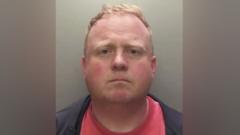
Funeral Director Receives 20-Year Prison Sentence for Grave Violations
A prominent funeral director has been sentenced to two decades in prison after authorities uncovered a disturbing scheme involving the systematic failure to properly handle human remains. The convicted funeral director failed to bury bodies entrusted to his care, leaving grieving families without proper closure or dignified final arrangements for their loved ones. This case has sent shockwaves through the funeral industry and raised serious questions about regulatory oversight and consumer protection in the death care sector.
The Scope of Criminal Misconduct
The funeral director's criminal enterprise extended far beyond simple negligence. According to court documents, the accused operator failed to cremate numerous individuals whose families had paid substantial sums for cremation services. In perhaps the most egregious violation of trust, the funeral director distributed cremated remains belonging to unrelated individuals to bereaved families, compounding their emotional trauma with an appalling betrayal of their confidence.
Impact on Grieving Families
The victims of this funeral director's deception suffered profound emotional and psychological harm. Families believed they were receiving the cremated ashes of their deceased relatives, only to discover later that they had been given remains belonging to complete strangers. This revelation devastated relatives who had already endured the loss of their loved ones, adding an additional layer of violation and distress to their mourning process. Some families were forced to undergo exhumations and reburials after discovering the truth about the mishandled remains.
Investigation and Legal Proceedings
Law enforcement officials launched a comprehensive investigation after multiple complaints from families revealed inconsistencies in the funeral director's services. Authorities conducted extensive examinations of burial records, cremation documentation, and physical remains to piece together the full extent of the misconduct. The investigation uncovered a pattern of deliberate deception spanning several years, indicating that the funeral director's actions were not isolated incidents but rather part of a systematic criminal operation designed to maximize profits while minimizing actual services rendered.
Regulatory Failures and Industry Response
The case has prompted regulatory agencies to examine how such violations could persist undetected for an extended period. Industry experts argue that the funeral director's criminal conduct exposed significant gaps in oversight mechanisms designed to protect consumers. Many funeral homes operate with minimal regulatory scrutiny, and this case demonstrates the dangerous consequences of insufficient accountability measures. The funeral industry has faced increasing pressure to implement more rigorous standards for record-keeping, cremation procedures, and customer verification processes.
Sentencing and Justice
The 20-year prison sentence reflects the severity of the crimes committed. Prosecutors successfully argued that the funeral director's actions constituted multiple felonies, including fraud, theft, and abuse of a corpse. The lengthy sentence sends a clear message that violations of trust in the funeral services sector will be prosecuted vigorously. The convicted funeral director has been ordered to make restitution to affected families, though many acknowledge that monetary compensation can never truly repair the emotional damage inflicted.
Moving Forward: Consumer Protection Measures
In the aftermath of this criminal case, consumer advocacy groups have called for enhanced protections within the funeral industry. Proposed reforms include mandatory video documentation of cremation procedures, more frequent inspections of funeral facilities, and improved verification systems to ensure remains are properly identified throughout the entire process. Families are now being encouraged to request detailed documentation and video evidence of cremation services to prevent similar fraudulent activities in the future.
This case serves as a sobering reminder of the importance of accountability and transparency in industries that handle human remains. The criminal actions of this funeral director have damaged public trust in funeral services providers nationwide, underscoring the critical need for stronger regulatory frameworks and consumer protections.


