Funeral Director Convicted of Body Storage Scam Gets 20-Year Sentence
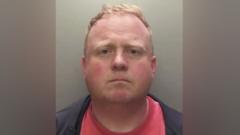
Funeral Director Faces Lengthy Prison Term for Massive Fraud
A funeral director convicted of one of the most egregious cases of fraud against grieving families has been sentenced to two decades in prison. The funeral director convicted of operating a deceptive scheme that left countless bereaved relatives traumatized has received a substantial prison sentence reflecting the severity of the crimes committed.
The Nature of the Deception
The criminal operation involved systematic failures to properly handle human remains. Instead of providing the services families paid for, the funeral director failed to bury bodies as promised to mourning relatives. This callous disregard for both the deceased and the living created immeasurable emotional distress across multiple families.
Cremation Scam Details
The scheme extended beyond burial failures. Families who paid for cremation services received ashes that did not belong to their loved ones. In numerous instances, bereaved relatives were given the cremated remains of complete strangers, a deception that compounded their grief and betrayal. This practice continued for an extended period, affecting an unknown number of families who trusted the funeral establishment with their most sacred responsibilities.
Impact on Bereaved Families
The emotional and psychological consequences for the families involved cannot be overstated. Those who believed they were honoring their deceased loved ones through proper burial or cremation ceremonies discovered their trust had been catastrophically violated. Families faced the additional trauma of learning they may have been unknowingly handling the remains of strangers, raising profound questions about the integrity of their final farewells.
Widespread Trust Betrayal
Funeral homes serve one of society's most sensitive functions, requiring absolute trustworthiness and professionalism. The failure of the funeral director convicted in this case represents a fundamental breach of the sacred responsibility placed in funeral service providers. This breach has likely damaged public confidence in funeral services industry-wide.
Legal Proceedings and Sentencing
The 20-year prison sentence reflects the courts recognition of the severe nature of the crimes. Multiple counts of fraud, theft, and abuse of position would have contributed to this substantial punishment. The length of the sentence indicates that judges viewed the premeditated nature of the scheme and the vulnerability of the victims as significant aggravating factors in determining the appropriate penalty.
Criminal Accountability
The conviction and sentencing demonstrate that law enforcement and the judicial system take such violations seriously. Investigations likely revealed the systematic nature of the fraud, with evidence showing this was not a one-time mistake but rather a deliberate pattern of deception designed to maximize profits at the expense of grieving families.
Implications for the Funeral Industry
This case has prompted discussions about oversight and regulation within the funeral services sector. Industry experts and regulatory bodies are likely reviewing protocols to prevent similar abuses. Funeral establishments across jurisdictions may now face increased scrutiny regarding their handling of human remains and verification procedures.
Regulatory Changes and Oversight
Many regions have begun implementing stricter licensing requirements, surprise inspections, and documentation standards for funeral homes. The case of the funeral director convicted serves as a cautionary example of why robust oversight mechanisms are essential to protect vulnerable populations during their moments of greatest need.
Moving Forward for Affected Families
Victims of this fraud may pursue civil remedies, though financial compensation can never truly address the profound violation they experienced. Some families may seek DNA testing or other methods to verify whether they received the correct remains, adding another layer of expense and emotional burden to an already traumatic situation.
The case underscores the importance of choosing reputable funeral service providers and remaining vigilant about documentation and procedures. For those grieving the loss of loved ones, trusting a funeral home is an unavoidable necessity, making this breach of trust particularly reprehensible.


