Evacuated by Sea: 500 Tourists Flee Greek Wildfire Amid European Crisis
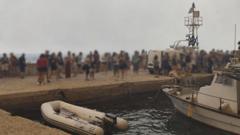
Hundreds Rescued from Greek Wildfire by Sea
A dramatic Greek wildfire evacuation unfolded along the Mediterranean coast as approximately 500 individuals, predominantly international visitors, were rescued through an emergency maritime operation from the coastal settlement of Agios Vasileios. The Greek wildfire evacuation marked one of the most significant coastal rescue missions in recent years, highlighting the escalating dangers posed by unprecedented heat conditions sweeping across southern Europe.
The trapped tourists found themselves in a perilous situation as advancing flames cut off ground-based escape routes, forcing authorities to implement emergency maritime protocols. Local authorities coordinated swift boat operations to transport the stranded visitors to safety, preventing what could have been a catastrophic loss of life.
Emergency Response Operations
The evacuation efforts demonstrated the effectiveness of coordinated emergency response systems, with multiple vessels mobilized to transport residents and guests away from the danger zone. Naval and civilian craft worked in tandem to ensure swift movement of evacuees, with priority given to elderly individuals, children, and those with mobility challenges.
Maritime authorities reported that the evacuation proceeded without major incidents, though conditions remained hazardous throughout the operation. Communication systems remained operational, allowing officials to coordinate movements and establish secure landing zones away from the fire's proximity.
Widespread European Wildfire Crisis
The incident in Agios Vasileios represents merely one chapter in a larger European wildfire emergency that has dominated weather patterns across the continent. Multiple nations face unprecedented fire conditions, with meteorologists attributing the surge to exceptionally high temperatures and drought conditions affecting Mediterranean regions.
Countries including Greece, Spain, Turkey, and Italy have reported significant fire incidents, straining emergency resources and forcing mass evacuations in numerous populated areas. The scale and intensity of these blazes have prompted European Union coordination of firefighting resources, with mutual aid agreements activated to provide cross-border assistance.
Tourist Destinations Under Pressure
Popular tourist regions have experienced particular vulnerability, as seasonal populations inflate during summer months precisely when fire risk reaches critical levels. The evacuation of 500 tourists from Agios Vasileios underscores the vulnerability of vacation destinations situated in fire-prone areas during high-temperature periods.
International tourism operators have implemented heightened alert protocols, with many advising visitors to remain informed about regional fire conditions and evacuation procedures. Hotels and resorts have updated emergency response plans to ensure rapid guest evacuation if necessary.
Climate and Weather Factors
Extreme heat conditions have created ideal circumstances for rapid fire propagation, with temperatures significantly exceeding historical averages for the season. Low humidity levels combined with strong wind patterns have accelerated flame spread, challenging firefighting efforts and necessitating expanded evacuation zones.
Climate experts warn that such extreme weather events may become increasingly frequent without significant global intervention in carbon emissions patterns. The current crisis serves as a stark reminder of climate change impacts on European infrastructure and public safety systems.
Looking Forward
As the Greek wildfire situation stabilizes with the successful evacuation, attention shifts toward preventing similar emergencies in other at-risk communities. Enhanced early warning systems, expanded firefighting capacity, and improved evacuation infrastructure represent priorities for regional governments moving forward.


