British Airways Mayday Flight: Passenger Account of Terror
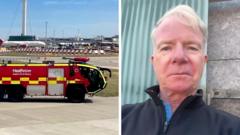
Passenger Account of British Airways Mayday Flight Terror
A British Airways mayday flight became the focus of international attention when it issued a distress signal before successfully touching down at London's Heathrow Airport. Edward Killiwick, one of the passengers aboard the aircraft during this harrowing incident, has now shared his firsthand account of the dramatic moments that unfolded as the crew managed the emergency situation.
The Distress Call That Gripped the Aircraft
The British Airways mayday flight transmitted its emergency signal during what should have been a routine journey. Killiwick recounted the immediate sense of alarm that swept through the cabin when passengers realized the severity of the situation. The atmosphere transformed from ordinary travel to palpable tension as flight attendants prepared the cabin and crew members executed their emergency protocols with precision.
According to Killiwick's account, the announcement of the distress situation provoked genuine fear among those on board. The passenger described how individuals around him reacted with anxiety, with some expressing their deepest concerns about their safety. These raw human responses reflected the serious nature of what was transpiring at 35,000 feet.
Moments of Intense Fear and Uncertainty
During the critical moments leading up to the descent, Killiwick witnessed passengers grappling with their emotions. The fear was visceral and unfiltered, with some travelers voicing their desperate prayers and anxieties aloud. Among the frightened voices heard throughout the cabin, one passenger's cry of "I don't want to die" particularly resonated, capturing the raw emotion and vulnerability that accompanied this terrifying ordeal.
The journey from the moment of the distress call to the approach toward Heathrow seemed to stretch endlessly for those aboard. Killiwick described how time felt distorted, with minutes feeling like hours as passengers contemplated their fate and hoped for the best possible outcome.
The Skillful Emergency Landing at Heathrow
Despite the alarming circumstances, the pilot and crew of the British Airways mayday flight demonstrated exceptional professionalism and expertise. As the aircraft began its descent toward London Heathrow Airport, emergency services were placed on standby to respond to any potential complications. Fire trucks, ambulances, and rescue personnel were positioned throughout the runway in preparation for the landing.
The landing itself proved to be the critical test of the crew's abilities and the aircraft's systems. Killiwick watched intently as the runway came into view, and the aircraft made its approach. When the wheels touched down safely on the tarmac at Heathrow, a profound sense of relief washed over every passenger on board. The successful landing marked the end of the emergency situation and validated the rigorous training and quick thinking of the aviation professionals involved.
Recovery and Relief After the Ordeal
Following the safe landing, passengers disembarked cautiously, many still processing the traumatic experience they had just survived. Medical personnel were on hand to assess and assist anyone requiring immediate attention. The British Airways mayday flight incident demonstrated both the potential dangers of air travel and the remarkable safety systems and professional standards that protect passengers.
Killiwick's willingness to share his account provides valuable insight into the human experience during an aviation emergency. His testimony reveals not only the immediate physical aspects of such situations but also the profound psychological and emotional impact on those involved. The incident served as a sobering reminder of aviation safety protocols and the dedication of flight crews to passenger protection.
Broader Context of Aviation Emergency Procedures
The successful resolution of the British Airways mayday flight emergency underscores the importance of rigorous pilot training, comprehensive safety protocols, and well-coordinated emergency response systems. British Airways, as a major international carrier, maintains stringent standards for aircraft maintenance, crew training, and safety procedures.
Modern commercial aircraft are equipped with redundant systems designed to handle multiple emergency scenarios. Pilots undergo continuous training to manage extraordinary situations with calm professionalism. The coordination between the flight crew, air traffic control, and ground emergency services all contributed to the positive outcome of this incident.
Passengers like Edward Killiwick who experienced this harrowing event firsthand provide important testimonies about air safety and crew response. Their accounts help shape public understanding of aviation emergencies and reinforce confidence in the systems designed to protect travelers. The incident earlier this month at Heathrow remains a testament to the effectiveness of modern aviation safety measures and the dedication of professionals who work to keep passengers safe.