BA Flight Issues Mayday Call: Passenger Reveals Terrifying Moments
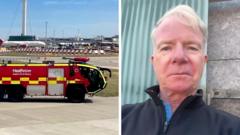
Terrifying Experience Aboard British Airways Mayday Flight
A British Airways mayday flight became the subject of intense scrutiny this month after passengers experienced what many described as a harrowing ordeal in the skies. Edward Killiwick, who was aboard the aircraft during the emergency, has provided a detailed account of the frightening moments that unfolded as the crew issued a distress call before successfully reaching Heathrow Airport.
Passenger Account of the Emergency
Killiwick's testimony sheds light on the emotional toll experienced by those on board the British Airways mayday flight. The passenger recalled the atmosphere of panic and uncertainty that gripped the cabin as crew members worked to manage an unexpected emergency situation. Among the voices heard during the turbulent minutes was a passenger audibly expressing their deepest fears, shouting concerns about their safety and survival.
The Moment of Crisis
During the critical phase of the emergency, the atmosphere inside the aircraft transformed from routine flight operations to acute crisis mode. Passengers on the British Airways mayday flight were acutely aware that something had gone seriously wrong, as evidenced by the formal distress communication transmitted by the flight crew to air traffic control at Heathrow.
Emotional Impact on Passengers
The psychological impact of experiencing such an emergency cannot be understated. Killiwick described the raw emotional reactions of fellow travelers, including expressions of fear that reflected the gravity of the situation unfolding at thousands of feet above the ground. The incident highlighted how quickly a routine flight can transform into a life-threatening scenario for those aboard.
Safe Landing at Heathrow Airport
Despite the terrifying circumstances, the British Airways mayday flight ultimately concluded successfully when the aircraft touched down at Heathrow Airport. The skilled intervention of the flight crew and coordination with ground control teams ensured that all passengers and crew members arrived safely, though understandably shaken by their experience. This outcome demonstrated the effectiveness of aviation safety protocols and emergency procedures in managing crisis situations.
Professional Response from Flight Crew
The flight crew's decision to issue a mayday call represented a precautionary measure designed to alert emergency services and ensure appropriate support upon landing. The professional handling of the emergency situation by experienced pilots contributed significantly to the successful resolution of what could have been a catastrophic incident.
Broader Implications for Aviation Safety
The British Airways mayday flight incident serves as a reminder of the inherent risks associated with commercial aviation, despite modern safety advancements. Such events, while rare, underscore the importance of rigorous training protocols, regular maintenance checks, and comprehensive emergency preparedness within the aviation industry. Airlines continue to invest in technology and procedures designed to prevent emergencies and manage crises effectively when they occur.
Industry Standards and Protocols
British Airways, like all major carriers, maintains strict adherence to international aviation safety standards. The handling of the mayday call and subsequent landing reflected these established protocols, which are continuously refined based on operational experience and technological innovation.
Passenger Recovery and Support
Following the British Airways mayday flight incident, attention turned to the wellbeing of affected passengers. Airlines typically provide support services to those traumatized by emergency situations, recognizing the psychological impact such experiences can have on individuals and families.
The successful conclusion of this emergency demonstrates that despite occasional frightening situations in aviation, the multiple layers of safety systems, trained personnel, and established procedures work effectively to protect passengers and crew during unexpected crises.